

“Up to 90% of extractable value in some pools” is a dramatic-sounding claim you might have heard in passing; the reality is more nuanced, but it’s true that miner/validator/executor extractable value (MEV) can materially change the economics and safety of on‑chain trades. For DeFi users in the US who move significant positions, or who interact with multi-step automated strategies, MEV is not an abstract academic problem — it’s a cash flow and privacy problem. This article uses a realistic wallet-first case to explain how MEV works, why transaction simulation reduces risk, what MEV protection actually does, and how a modern EVM wallet with built-in simulation and security features lets you make better decisions in practice.
We’ll follow “Jamie,” a hypothetical US-based DeFi trader who regularly swaps stablecoins and uses limit-style on‑chain orders. Jamie needs low friction, predictable costs, and protection from sandwich attacks and frontruns that can turn a profitable strategy into a loss. The scenario highlights mechanism-level trade-offs among three approaches: naive execution (regular mempool submission), relay-based MEV protection, and private transaction simulation plus guarded submission via a modern wallet. Along the way I’ll point out where tools help, where they don’t, and what to watch next.
How MEV Operates: a concise mechanism
MEV is the profit available to parties who can order, censor, or include transactions in a block. Mechanically, it arises because transaction ordering matters: if a large swap will move a pool’s price, anyone who can insert an opposing trade (front-run) or sandwich the trade (buy before, sell after) can capture value. Validators and specialized bots monitor the public mempool and use either direct inclusion or block-building techniques to extract that value.
There are two clarifying distinctions that matter for a wallet user: first, extraction that happens because your transaction is visible in the mempool is different from extraction that happens because a validator intentionally reorders or censors blocks. Second, not all MEV is malicious; some corresponds to profitable arbitrage that restores price parity. For traders like Jamie the practical problem is visibility plus latency — the longer your transaction sits in the public mempool and the larger the expected price impact, the higher the chance it will be picked off.
Case study: three paths Jamie can take
We’ll compare three concrete execution paths for Jamie’s $250k stablecoin swap on Ethereum-like chains: (A) submit the transaction directly with a market fee, (B) use a relay/private submission service or bundle to hide from public mempool, and (C) use a wallet that simulates the full transaction before signing and offers guarded submission or MEV-aware routing. Each has trade-offs.
Path A — naive submission is simplest and cheapest for small trades, but for a large swap like Jamie’s it maximizes exposure. Bots watching mempools can estimate slippage and run sandwiched trades. The upside is immediacy and no dependency on third parties, but the downside is measurable slippage risk and potential information leakage.
Path B — relays and private submission reduce mempool exposure by sending the signed or unsigned transaction to a block-builder or relay (or via Flashbots-type services). This can block opportunistic bots and often secures better execution for large trades. The trade-off: you rely on a third party (or an aligned validator) and may pay for the improved service. There’s also systemic risk if bundle channels become centralized; validators that control prioritization can create a new bottleneck or rent extraction layer.
Path C — transaction simulation plus guarded submission (what modern wallets increasingly offer) sits between A and B. Simulation reveals whether the transaction will revert, how much slippage or gas it will consume under realistic conditions, and whether route changes in a DEX will produce the expected outcome. When combined with guarded submission options, a wallet can either suggest alternative routes, warn about high MEV risk, or submit via privacy-preserving methods. The benefit here is decision-quality: Jamie understands the risk before signing and can choose to split, delay, or route differently. The limit is that simulation uses models and state snapshots — it can’t guarantee a future mempool or validator ordering, only reduce uncertainty.
Transaction simulation: what it gives you, and what it doesn’t
Transaction simulation runs your unsigned transaction against a near-current state of the chain to estimate outcomes: whether it will succeed, how much of a token you’ll receive, gas cost, and potential slippage under current liquidity. Good simulations also model common hostile behavior — for example, inserting a hypothetical sandwiched trade to see how a bot could profit and how your position would worsen.
But simulation is constrained by two limits. First, it is a snapshot. Time between simulation and on‑chain inclusion allows other transactions to change prices or liquidity, invalidating the result. Second, simulations are model-dependent: they rely on accurate DEX routing algorithms, oracle updates, and mempool behavior assumptions. They reduce error bars but do not remove tail risk. That’s why simulation paired with guarded submission and configurable tolerance settings (max slippage, gas cap, time windows) is more effective than simulation alone.
How wallets implement MEV protection and the trade-offs involved
Wallets take several paths to limiting MEV exposure. One approach is to offer private relay submission or to route transactions through a service that constructs bundles. Another is to bake transaction simulation into the signing flow and surface tailored warnings or alternative routes. A third is to provide built-in gas tip suggestion systems that adaptively increase inclusion probability without revealing intent too early.
Each method sacrifices something. Private relays can reduce mempool leakage but introduce third‑party dependency and potential centralization. Simulation improves decision-making but cannot prevent a powerful validator from reordering your transaction after it’s accepted. Dynamic fee bidding helps inclusion speed but can make your pattern visible and raise costs. The pragmatic answer for many US DeFi users is layered defense: simulation to decide whether to act at all, guarded submission for high-value trades, and fee controls to balance speed and cost.
Why a wallet-first approach matters: practical heuristics
A wallet with integrated simulation and MEV-aware features shifts the locus of control back to the user. Instead of guessing whether an exogenous service will protect you, Jamie can run scenarios locally, compare routes, and choose a submission path that balances cost and privacy. Practically useful heuristics to reuse:
– For trades under a modest threshold (small relative to pool liquidity), simulation plus conservative slippage is usually sufficient. The visibility cost of private submission often outweighs benefits.
– For large or multi-step atomic transactions, simulate both the happy path and realistic attack scenarios (sandwich, frontrun, partial fill) and prefer guarded submission if simulation shows vulnerability.
– If time sensitivity is low, consider splitting a large order into smaller tranches across time and routes; simulation helps estimate expected loss from multiple smaller trades versus one large trade.
Wallets that integrate these capabilities let you apply these heuristics before you commit gas or sign a transaction, reducing regret and improving expected outcomes.
Where solutions still fall short — three limitations to keep in mind
1) Timing and state drift. A perfect simulation is impossible because blockchain state changes continuously. A wallet can shorten the window between simulation and submission but can’t make it zero.
2) Trust trade-offs. Private relays or block-builders can reduce bot exposure but introduce dependency and potential for new extraction vectors. Evaluate the provider’s decentralization, incentives, and transparency.
3) Model risk. Simulators rely on accurate contract and router models. Novel DEX designs, off-chain orderbooks, or composable, multi‑contract flows can expose blind spots.
These are not theoretical nitpicks — they determine when a wallet’s protection is tactical help versus a false sense of security.
Decision-useful takeaway: a short framework
Use a three-question framework before submitting any non-trivial transaction: (1) How large is my trade relative to pool depth? (2) How sensitive is success to ordering (does the strategy require exact sequencing)? (3) What is my tolerance for third‑party routing or submission? If the answer indicates high size, high sensitivity, or low tolerance for leakage, prefer wallets that offer both robust simulation and private/guarded submission. For routine trades, simulation plus sensible slippage and gas settings is often enough.
If you’re shopping for a wallet, prioritize these features: on-device simulation, clear MEV risk indicators, options for private submission or bundle routing, and transparent defaults that avoid aggressive, unnecessary fee bidding. A growing number of wallets on EVM chains now package these features alongside UX improvements, making them practical rather than academic choices.
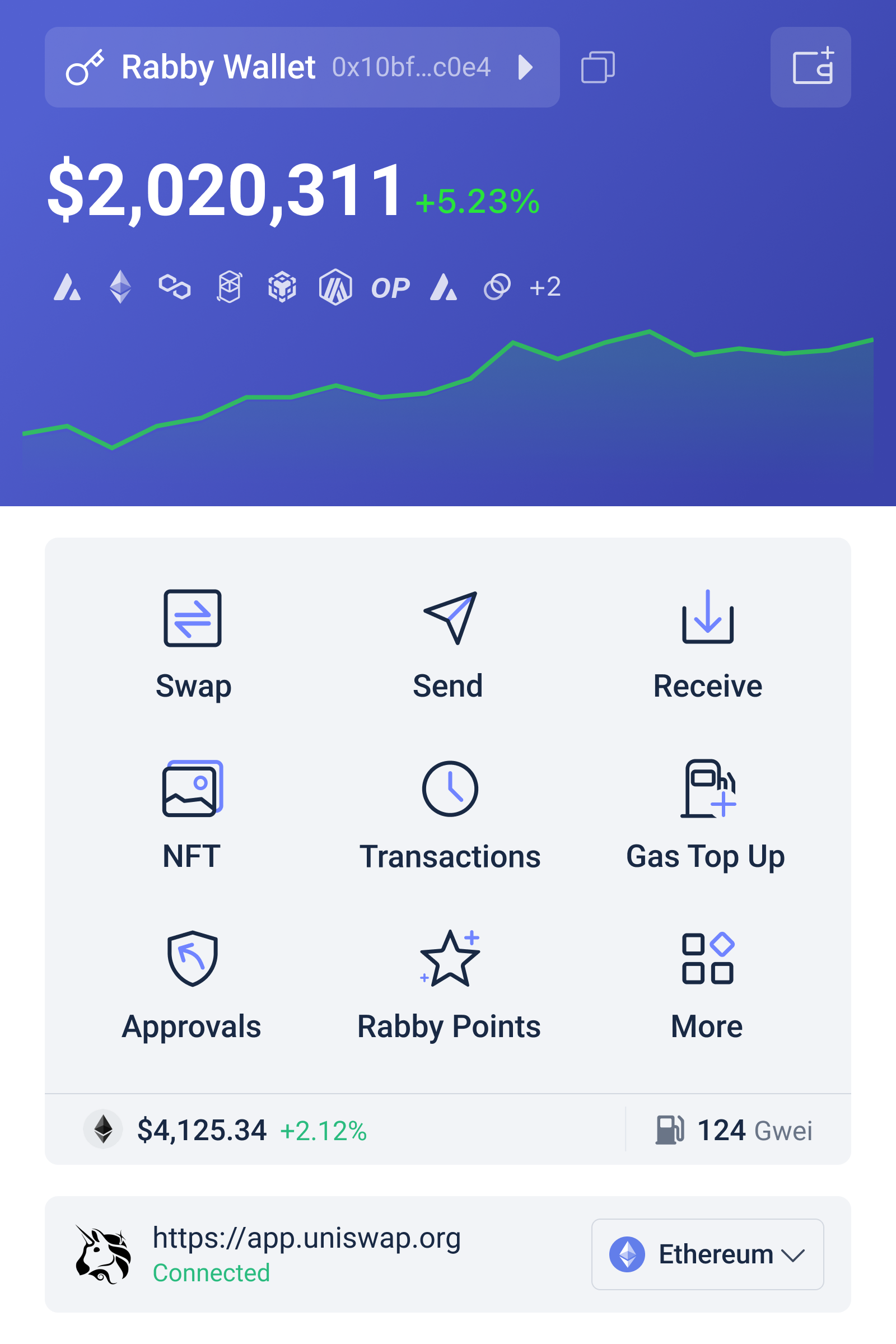
For a hands-on starting point that combines fast EVM support with transaction simulation and security-focused UX, see how tools line up with your needs at rabby.
What to watch next
Monitor three signals over the next 12–24 months: the degree of validator consolidation in block construction (centralization increases systemic MEV risk), adoption of private relay protocols and standards (which affects accessibility and cost), and improvements in on‑wallet simulation fidelity (which narrows model risk). Each signal changes the trade-offs described above: more centralization raises the price of reliance on relays; better simulation reduces decision friction and makes guarded submission more effective.
Neither tools nor protocols will eliminate MEV entirely; they will change who captures it and how visible that capture is. Smart users will treat MEV risk as a transaction design parameter rather than an unavoidable tax: simulate, quantify, and choose submission strategy intentionally.
FAQ
Q: Does transaction simulation eliminate frontruns and sandwich attacks?
A: No. Simulation reduces uncertainty by showing plausible outcomes for a given chain state, but it cannot prevent new transactions from entering the mempool or a validator from reordering blocks after submission. Simulation is a decision tool, not a guarantee. Paired with private submission or bundle construction it can greatly reduce exposure, but those options introduce their own trade-offs.
Q: Are private relays always the best choice for large trades?
A: Not always. Private relays reduce mempool visibility but create dependency on a third party and can centralize extraction opportunities. They are often worth it for very large trades or complex atomic flows, but for many users improved simulation and conservative execution parameters deliver most of the value at lower systemic risk.
Q: How much extra fee should I expect to pay for MEV protection?
A: It varies widely by chain, trade size, and the protection method. Fee premiums pay for faster or private inclusion and for operators who can build bundles. The right approach is to simulate with and without protection and compare the net expected outcome (fees plus expected slippage), not just the sticker fee.
Q: Can a user configure simulation sensitivity in a wallet?
A: The best wallets let you tune assumptions: slippage tolerance, gas caps, whether hypothetical adversarial trades are modeled, and how stale state can be between simulation and submission. These knobs let you tailor safety to the trade’s stakes.